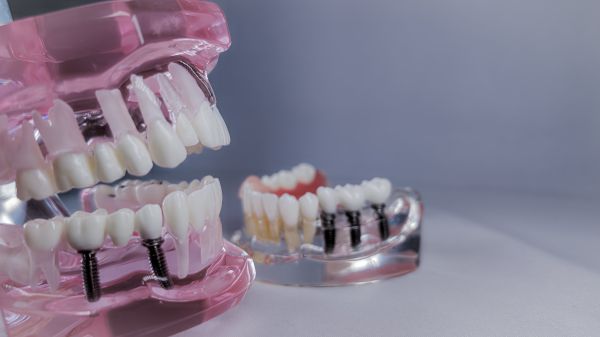
Dental implants feel and function just like natural teeth, and they can last a lifetime. An implant is a rod or screw that is placed in the jawbone. It is usually made out of titanium, but it can also be made out of zirconium.
Dental implants replace missing teeth roots, and restorations like crowns are placed on them to replace missing teeth. This combination helps preserve bone tissues in the jaw. Bone tissue deterioration often occurs when a tooth falls out because it stops getting the stimulation needed to remain healthy. An implant prevents that deterioration by transferring bite forces into the jaw, stimulating the tissues there.
What to expect when getting dental implants
Many patients are thinking about restoring one or more missing teeth with implants. Let us take a closer look at how dental implants are placed.
The evaluation stage
Not all patients qualify for dental implants. Their installation requires oral surgery, which comes with its share of risks, such as pain, inflammation, and infection. Patients are assessed to see if they have existing problems like diabetes, immune system disorders, or gum disease. These can increase the risk of complications like infections developing.
Dentists also examine the patient’s jawbone to see if it is thick enough to hold implants. Some nerves run along the bottom of the jaw, and installing implants on thin jaws can damage them. Patients who lack the required thickness will have to get bone grafts and recover before proceeding with implants. It takes up to three months to recover from bone grafts.
Habits like tobacco, illicit drug, and alcohol use are also discussed during the evaluation phase. Patients might have to give up these habits leading up to the surgery and during the recovery period.
First procedure
The first procedure during the installation of implants starts with the patient being injected with a local anesthetic. The dentist then cuts into the patient’s gums to reach their jawbone and drills a hole for the implant, which is placed inside and held by bone tissues. Any incisions made are sutured up.
Second procedure
The second phase of the installation of implants takes place after the implant has fused with bone tissues around it. The dentist might attach a restoration like a crown directly to the implant or an abutment that holds the restoration.
If an abutment is used, the patient will have to come back for a third appointment to get a restoration placed on the abutment. The advantages of replacing missing teeth with implants include:
- Implants do not require specialized care
- Implants can last a lifetime
- Implants look and feel like natural teeth
- Implants prevent bone tissue loss in the jaw
- Implants prevent the remaining teeth from becoming misaligned as they try to close spaces left by missing teeth
Replace your missing tooth with an implant
Do you have one or more missing teeth? Give us a call or stop by our Northvale clinic to learn more about implants and other missing teeth replacement options.
Request an appointment here: https://www.brdental.com or call Bergen-Rockland Dental Associates, LLC at (201) 620-9576 for an appointment in our Northvale office.
Check out what others are saying about our dental services on Yelp: Dental Implants in Northvale, NJ.
Recent Posts
Considering dental implants? No one should have to live with missing teeth that cause cosmetic or oral health concerns, and dental implants help many replace missing teeth and regain confidence in their smile. Along with the cosmetic benefits, many find better oral health, improved function and other advantages with dental implants.There are many benefits dental…
Dental implants are one of the options that you get to explore if you are looking to replace missing teeth. These are metal rods or screws placed in the jaw to replace teeth roots, and implants are fitted with restorations like bridges, dentures, and crowns to replace teeth.The ideal candidate for dental implants is healthy…
A general dentist can use a dental implant to replace a missing tooth. It can also be a solution to a failing tooth. This dental restoration is the most secure form of dental replacement. If you want to know more about replacing a lost tooth with a single dental implant, here are the details.One missing…
Dental implants are easy to care for at home and with regular visits with your general dentist. You can ensure your dental implants last for as long as possible by understanding useful tips for caring for your new teeth and periodontal health at home through good oral care and smart dietary and lifestyle choices. Dental implants…